Analyzing How Bonus Structures Adapt to Slot RTP Variations in Mobile Betting Applications
Devon Foster · Jun 2, 2026
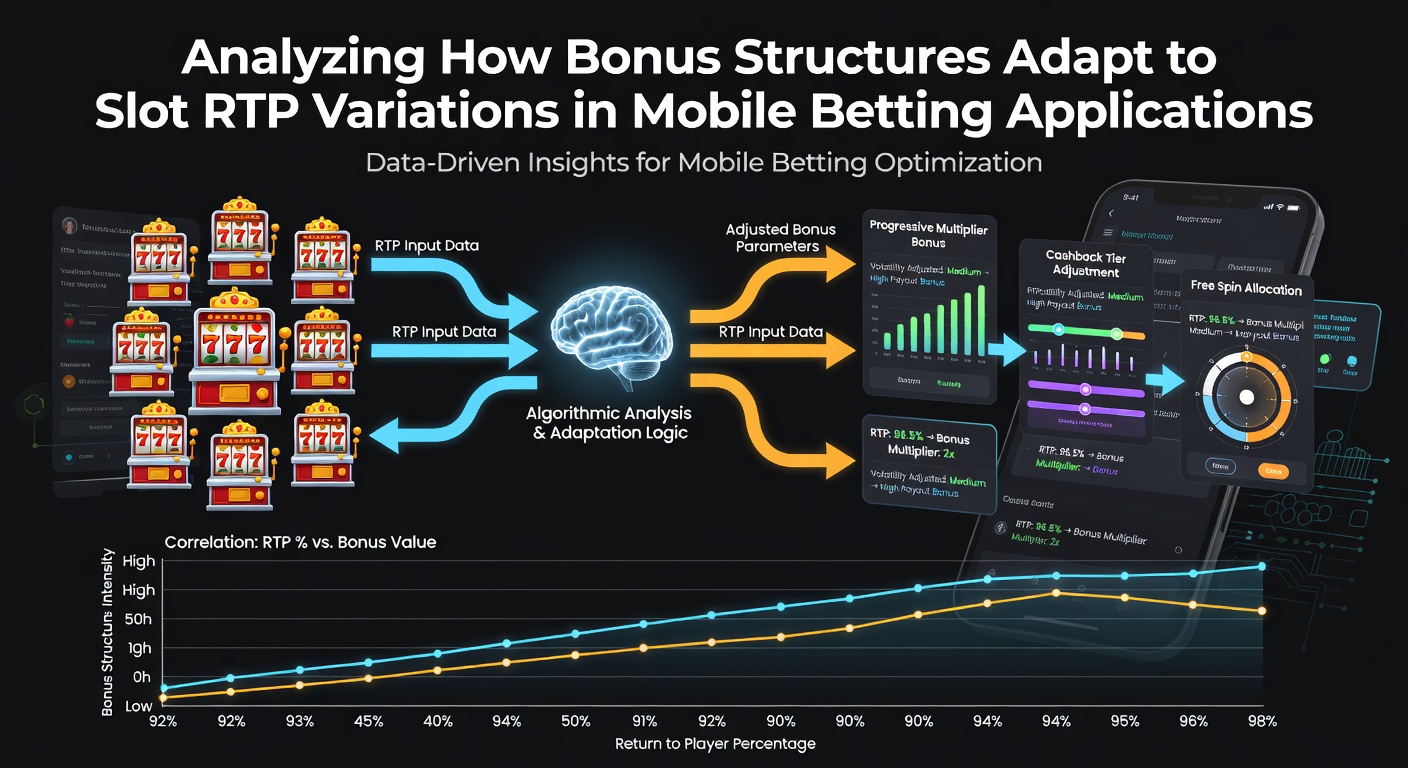
Mobile Betting Applications Modify Bonus Offerings in Response to Slot RTP Fluctuations
Developers of mobile betting platforms continuously refine bonus mechanics to align with the mathematical profiles of slot titles, particularly as return-to-player percentages shift across different games. RTP represents the theoretical percentage of wagered funds a slot returns to players over extended sessions, and variations in this metric prompt operators to recalibrate incentives such as deposit matches, free spin allocations, and cashback rates. Data from regulatory filings indicate that platforms adjust these elements to maintain player engagement while managing house edges that range from under 2 percent on high-RTP titles to over 5 percent on lower-return options. Operators segment their slot libraries according to RTP bands, typically grouping games into categories like 96 percent and above, 94 to 95.9 percent, and below 94 percent. Higher-RTP slots often receive bonuses with stricter wagering requirements because their payout frequency already supports prolonged play sessions, whereas lower-RTP titles pair with more generous initial credits or multipliers to offset reduced return expectations. Industry reports compiled by the Nevada Gaming Control Board highlight how these pairings emerged as standard practice by early 2025 and continued through mid-2026. Platform algorithms track player behavior metrics, including session length and bonus conversion rates, then feed this information into dynamic offer engines. When a user frequently selects high-RTP slots, the system may present loyalty rewards structured around extended playtime rather than large upfront sums. Conversely, promotions targeting low-RTP game enthusiasts incorporate higher percentage cashback thresholds to sustain activity levels. Such adaptations rely on real-time data processing that became more sophisticated following software updates rolled out across major applications in March 2026.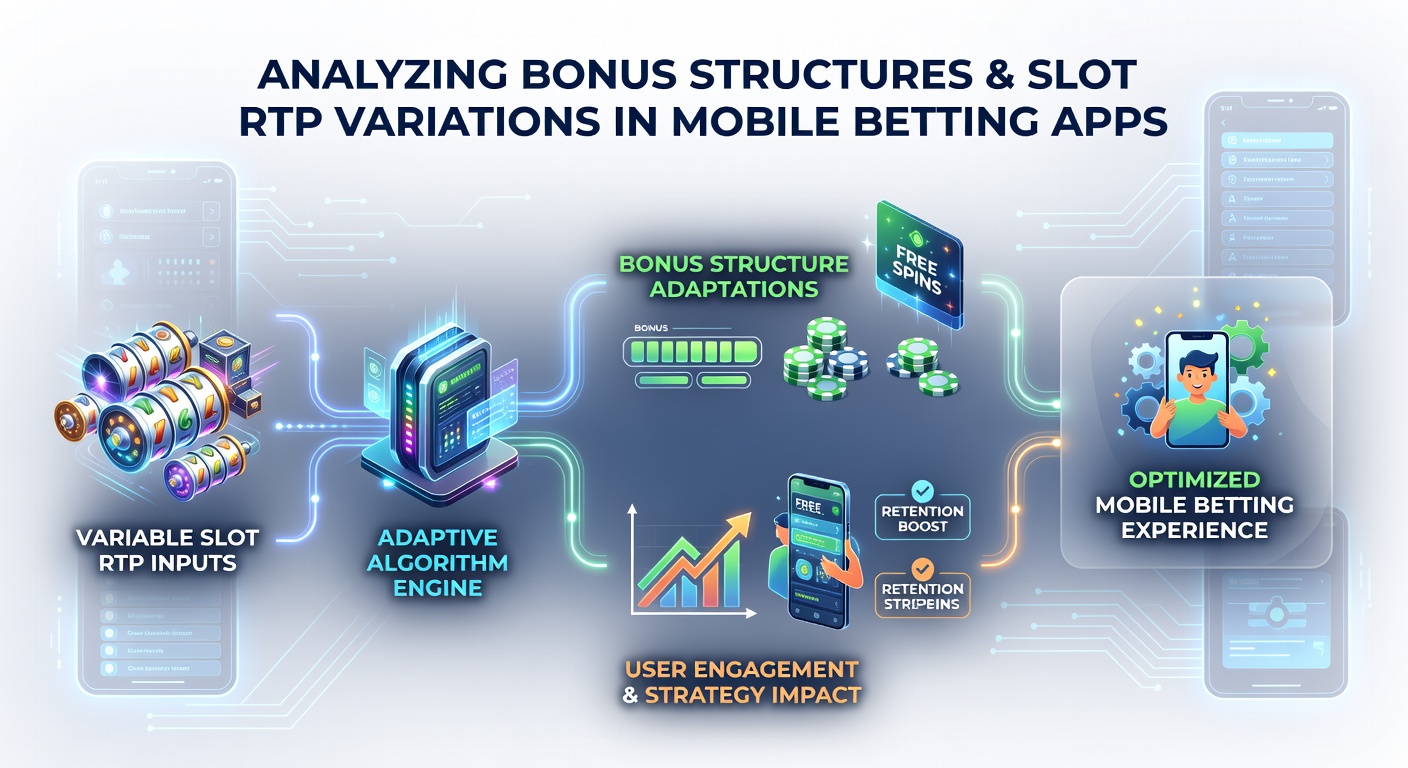
Developers of mobile betting platforms continuously refine bonus mechanics to align with the mathematical profiles of slot titles, particularly as return-to-player percentages shift across different games. RTP represents the theoretical percentage of wagered funds a slot returns to players over extended sessions, and variations in this metric prompt operators to recalibrate incentives such as deposit matches, free spin allocations, and cashback rates. Data from regulatory filings indicate that platforms adjust these elements to maintain player engagement while managing house edges that range from under 2 percent on high-RTP titles to over 5 percent on lower-return options. Operators segment their slot libraries according to RTP bands, typically grouping games into categories like 96 percent and above, 94 to 95.9 percent, and below 94 percent. Higher-RTP slots often receive bonuses with stricter wagering requirements because their payout frequency already supports prolonged play sessions, whereas lower-RTP titles pair with more generous initial credits or multipliers to offset reduced return expectations. Industry reports compiled by the Nevada Gaming Control Board highlight how these pairings emerged as standard practice by early 2025 and continued through mid-2026. Platform algorithms track player behavior metrics, including session length and bonus conversion rates, then feed this information into dynamic offer engines. When a user frequently selects high-RTP slots, the system may present loyalty rewards structured around extended playtime rather than large upfront sums. Conversely, promotions targeting low-RTP game enthusiasts incorporate higher percentage cashback thresholds to sustain activity levels. Such adaptations rely on real-time data processing that became more sophisticated following software updates rolled out across major applications in March 2026.Technical Integration of RTP Data in Bonus Engines
Mobile applications incorporate RTP values directly into their backend systems through standardized game information protocols supplied by software providers. These values influence eligibility rules for bonus activation, ensuring that offers tied to specific titles reflect the underlying probability models. For instance, a bonus round unlocked on a 97 percent RTP slot might cap maximum winnings at a lower multiple compared with the same structure applied to a 93 percent RTP counterpart, thereby balancing overall liability. Developers employ machine learning models that correlate historical RTP data with redemption patterns observed across thousands of accounts. One analysis conducted by researchers at the University of Nevada, Reno, examined transaction logs from 2024 through June 2026 and found that bonus structures featuring tiered wagering multipliers reduced variance in player retention when RTP differences exceeded 3 percentage points. The study further noted that applications using these adaptive models experienced more stable revenue streams during periods of high promotional activity.Regional Regulatory Influences on Adaptation Strategies
Different jurisdictions impose distinct disclosure requirements that indirectly shape how bonuses respond to RTP variations. In several Canadian provinces, operators must publish RTP ranges alongside promotional terms, prompting clearer segmentation of offers by game category. Australian state regulators similarly require transparency around theoretical returns, which has led platforms to display RTP indicators within bonus claim interfaces so users understand the linkage between game selection and reward conditions. These mandates encourage the development of modular bonus frameworks that can be reassembled quickly when RTP values are updated following game patches or new releases. Updates in June 2026 to several popular mobile titles prompted immediate recalibrations in associated free-to-play credit structures, demonstrating the operational flexibility built into current systems.