Integrated Bonus Structures Blending Reel Games and Event Wagering in Britain's Mobile Gambling Sector
Parker Roth · Aug 21, 2026
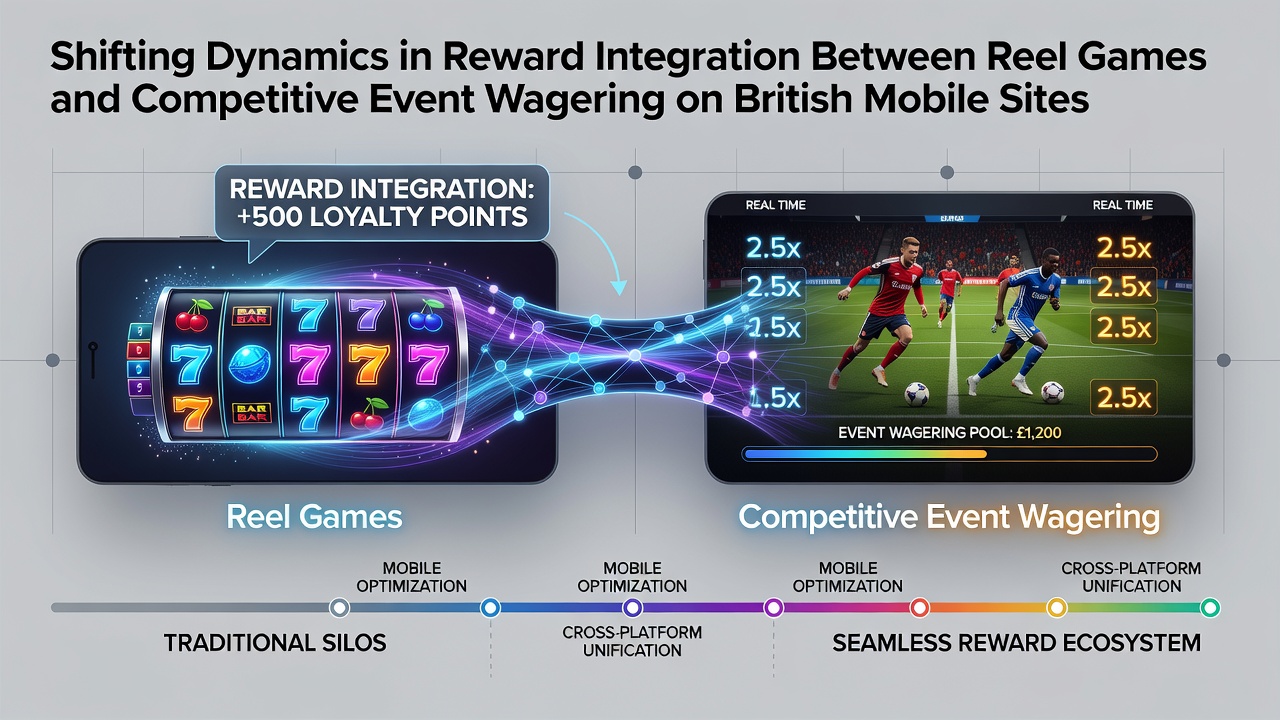
Integrated Bonus Structures Blending Reel Games and Event Wagering in Britain's Mobile Gambling Sector
Data from industry tracking services indicates that mobile platforms in Britain have accelerated the linkage between reel-based games and competitive event wagering through shared reward pools, and this pattern emerged clearly during the first half of 2026. Operators now route a portion of slot session activity directly into betting credit systems, which allows users to convert accumulated spins into wager funds for football matches, horse races, and tennis tournaments without separate deposits.
Figures released in August 2026 by several European market analysts showed that such hybrid mechanisms accounted for roughly 18 percent of total mobile engagement on major British sites, up from 9 percent the previous year. The growth coincided with updates to loyalty programs that track both reel outcomes and live event performance under a single user profile, and this unified tracking reduces the steps required to move between the two formats.
Mechanics of Cross-Format Reward Transfer
Operators apply tiered conversion rates where a fixed number of reel spins generates a predetermined betting token value, and the rates adjust according to user activity levels. For instance, one platform applies a 50-to-1 spin-to-credit ratio during peak evening hours while maintaining a 75-to-1 ratio during daytime sessions, which encourages sustained participation across different times of day. Research from the University of Nevada's gaming studies unit documented similar tiered models in other jurisdictions and found that these structures increased session duration by an average of 22 minutes when users could preview their converted balances in real time.
British mobile interfaces display the conversion process through progress bars that update after each reel stop or bet settlement, and this visual feedback lets users monitor how reel results feed into upcoming event wagers. Several sites also introduce time-limited multipliers that apply only when users transfer rewards within a set window after a winning reel sequence, and these multipliers have appeared in promotional calendars released for the 2026 summer season.
Regulatory Context and Platform Adjustments
Adjustments to tax reporting requirements for combined reel and event products took effect in early 2026, prompting operators to separate revenue streams while still presenting unified user experiences. Platforms now log reel and wagering activity under distinct categories for compliance purposes, yet the front-end display continues to merge the two through shared progress indicators and bonus meters. Observers note that these backend separations have not slowed the rollout of integrated offers, and some operators reported completing the required system updates by July 2026.

Industry reports from the European Gaming and Betting Association highlight that similar integration patterns have appeared in markets outside Britain, including select Canadian provinces where regulators permit cross-product loyalty tracking. Those reports also indicate that British operators have adopted elements of the Canadian model, particularly the use of centralized player accounts that carry balances across reel and event verticals. Data compiled through the second quarter of 2026 showed that sites employing these centralized accounts recorded a 14 percent rise in repeat mobile logins compared with sites that maintained separate reel and event ledgers.
User Behavior Patterns and Platform Response
Analytics from multiple British mobile providers reveal that users who activate integrated rewards tend to alternate between reel sessions and event wagers within the same login period, and the average number of switches per session reached 3.4 in August 2026 measurements. Platforms respond by surfacing contextual prompts that suggest transferring a portion of recent reel winnings into live event odds, and these prompts appear only after the system detects a completed conversion-eligible spin sequence. The timing of such prompts correlates with periods of high event volume, such as major football fixtures or racing festivals, which maximizes the chance that converted credits will see immediate use.
One documented case involved a mid-sized operator that introduced a "spin-to-stake" toggle allowing users to allocate a percentage of future reel wins automatically to a selected sports market, and the feature reached 27 percent adoption among active accounts within its first month. Similar toggles have since appeared on competing sites, each calibrated to different default percentages that users can adjust through account settings.
Technical Infrastructure Supporting Integration
Backend systems rely on real-time application programming interfaces that update reward ledgers across reel and event modules without requiring page reloads, and this architecture keeps mobile data usage low while maintaining synchronization. Developers have incorporated checksum protocols that verify conversion amounts before crediting betting balances, and these checks occur within milliseconds of each qualifying reel outcome. The same infrastructure supports audit trails that record every transfer for regulatory review, and operators have stated that the trails meet the standards set by multiple oversight bodies.
Conclusion
Market data compiled through August 2026 confirms that reward integration between reel games and competitive event wagering continues to expand on British mobile platforms, driven by unified account systems and automated conversion tools. Platform adjustments have kept pace with reporting requirements, and user metrics show increased cross-format activity when conversion mechanics remain visible and accessible during active sessions. Further developments in these structures will likely follow additional technical refinements and any new compliance guidance issued by regional authorities.