Mobile App Synergies: Tracing the Flow of Casino Incentives from Reels to Racetracks in Handheld Formats
Sofia Schwarz · Aug 4, 2026

Mobile App Synergies: Tracing the Flow of Casino Incentives from Reels to Racetracks in Handheld Formats
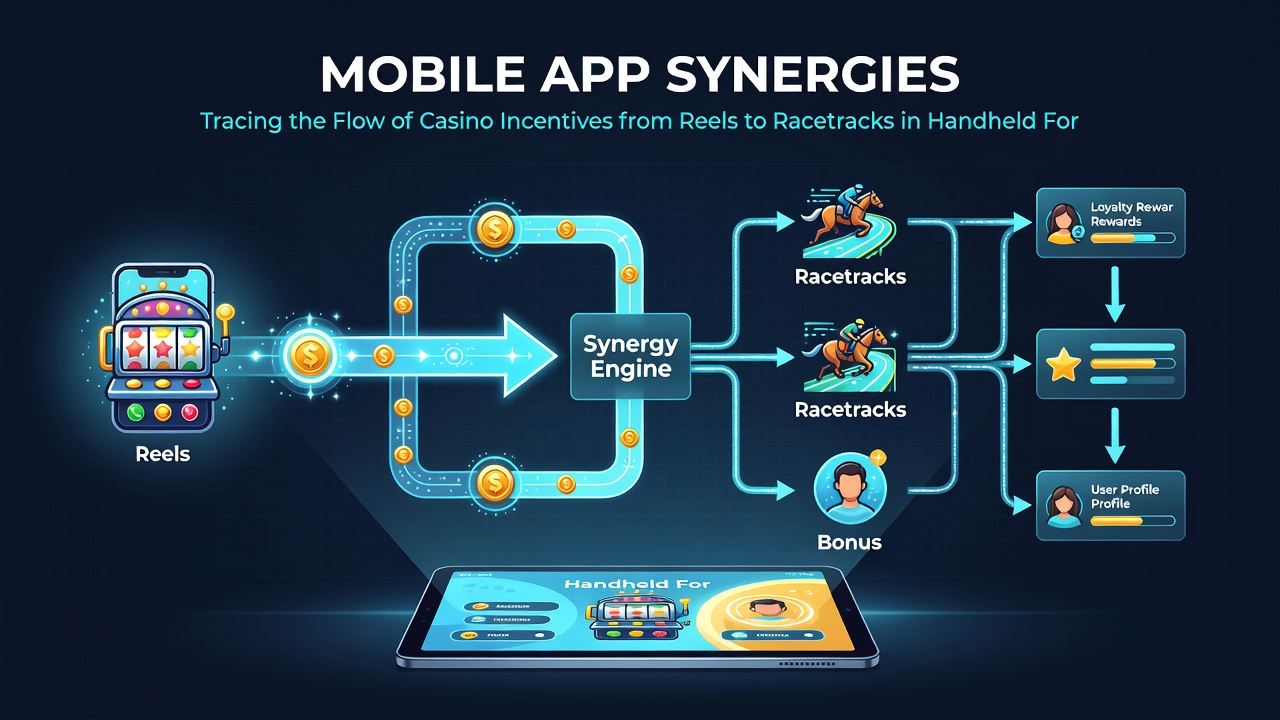
Developers have integrated slot mechanics with sports wagering features inside single mobile applications, allowing incentive balances earned from reel spins to transfer directly into racetrack wagers without separate account funding steps, and this structure emerged prominently after several jurisdictions expanded digital gambling access in 2025.
Operators track player activity across both verticals through unified ledgers, where a sequence of free spins on themed reel games generates credits that convert into stake multipliers for horse racing events, while data from regulatory filings shows these hybrid systems accounted for measurable portions of total handle in multiple markets by mid-2026.
Mechanics of Incentive Conversion
Slot sessions produce bonus credits that users allocate to live or upcoming races through the same wallet interface, and the process relies on API connections between game servers and betting engines that update balances in real time, whereas earlier separate platforms required manual withdrawals and redeposits that delayed participation.
One documented pathway begins with a minimum spin threshold on designated titles, after which the resulting credits appear as selectable options inside the racetrack tab, and analysts at the Nevada Gaming Control Board recorded increased cross-category engagement following the rollout of such tools in several licensed properties.
Conversion rates vary by operator policy, yet the underlying code enforces automatic eligibility checks that prevent use of unvested rewards on certain bet types, while maintaining compliance logs required by oversight agencies across North America and parts of Oceania.
Regional Regulatory Context in 2026
By August 2026 several U.S. states had updated mobile gaming statutes to address integrated incentive models, requiring operators to disclose conversion ratios and maintain separate audit trails for each vertical, and similar frameworks appeared in Australian state legislation that referenced handheld device standards.
Research from the University of Nevada, Las Vegas documented how these rules influenced user behavior patterns without restricting overall volume, and the findings indicated that transparent conversion mechanics correlated with sustained participation across both slots and racing products.
Industry reports compiled by the American Gaming Association tracked the expansion of these features across state lines, noting that handheld formats enabled seamless transitions that previously required desktop sessions or multiple logins, and the data reflected growth in combined session lengths during the first half of the year.
Technical Implementation Across Platforms
Backend systems employ tokenization to represent incentive values that remain valid across game categories, allowing a single balance to support both reel-based triggers and pari-mutuel pools, while front-end designs present unified navigation menus that reduce friction between the two experiences.
Developers tested these integrations against device-specific constraints such as screen size and processing speed, and case examples from major vendors showed successful deployment on both iOS and Android environments by the summer of 2026.
Security protocols encrypt the transfer requests between modules, and third-party testing labs verify that no unauthorized manipulation of conversion values occurs during live operation, according to documentation released by the National Council on Problem Gambling in its annual technology review.
Market Data and Usage Patterns
Figures released by state gaming commissions outside the UK revealed that mobile users who engaged with slot incentives subsequently placed higher average wagers on racing events when conversion tools were active, and the pattern held across multiple operators that adopted the model early.
Observers note that session analytics captured through these platforms provide operators with granular visibility into how rewards migrate between verticals, supporting refinements to promotional structures without violating jurisdictional spending caps.
Conclusion
The integration of reel-based incentives with racetrack betting inside handheld applications represents a structural shift in how operators deliver and users access promotional value across categories, and ongoing regulatory updates in 2026 continue to shape the technical and compliance requirements surrounding these flows. Data from multiple oversight bodies and academic sources indicates sustained adoption of the model in regions where mobile gambling frameworks permit such convergence.