Tiered Incentive Models Sustaining Prolonged Engagement Across Mobile Gaming Platforms
Rosa Butler · Aug 9, 2026
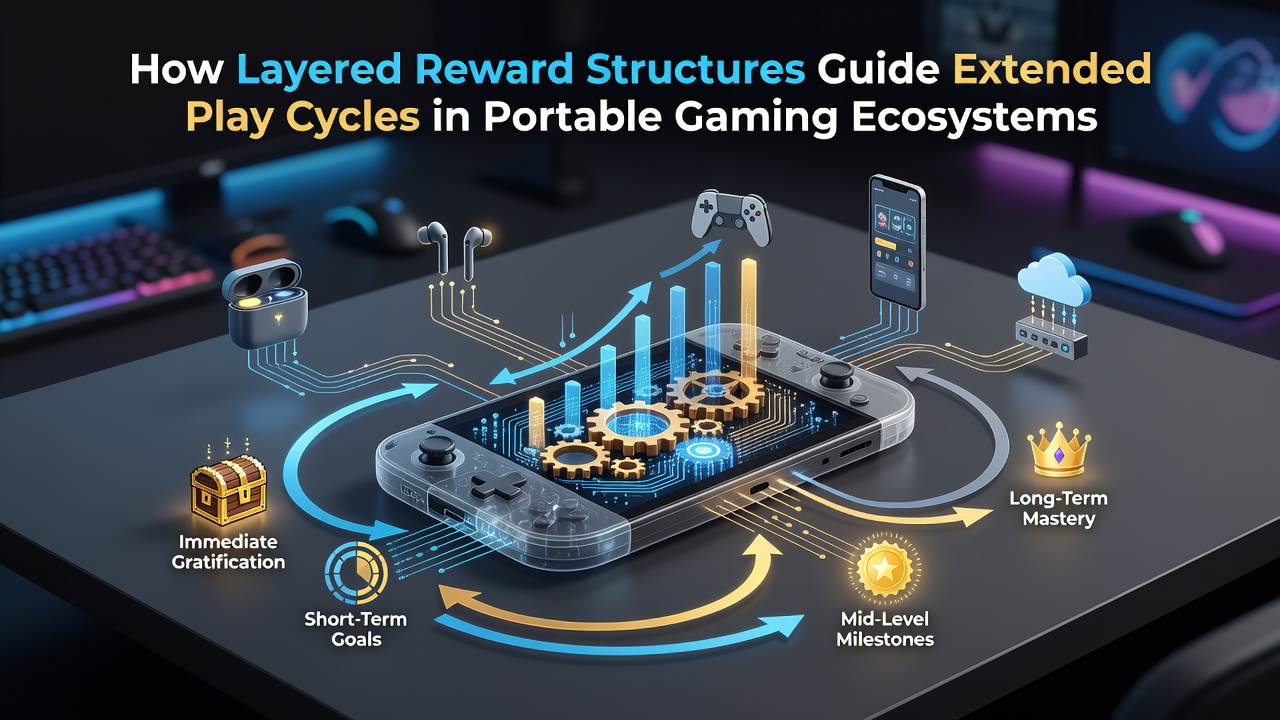
Tiered Incentive Models Sustaining Prolonged Engagement Across Mobile Gaming Platforms
Portable gaming platforms rely on structured reward systems that combine multiple layers of incentives to maintain user activity over extended periods, and developers design these frameworks around daily logins, achievement milestones, and progression tiers that build on one another. Data from industry analyses show these elements create feedback loops where initial small rewards encourage repeated sessions while larger unlocks sustain interest across weeks or months.
Core Components of Layered Reward Systems
Mobile games typically implement base layers through immediate feedback mechanisms such as experience points and virtual currency earned during short play sessions, and these feed into mid-tier structures like limited-time events or streak bonuses that reset on a 24-hour cycle. Higher layers incorporate seasonal content and prestige systems that reset progress metrics while preserving certain advantages for returning players, according to reports compiled by the Entertainment Software Association.
Developers integrate these tiers so that completing one objective directly contributes resources toward the next, which reduces friction between casual and dedicated play styles. Research from academic institutions in North America indicates that games using four or more interconnected reward layers experience average session lengths that extend 25 percent beyond those with simpler single-layer designs.
Patterns Observed in Extended Play Cycles
Play cycles in portable ecosystems often follow predictable arcs where users begin with tutorial-driven rewards that establish core mechanics, then transition into habit-forming daily tasks that accumulate value over consecutive days. Observers note that battle-pass structures introduced in titles released after 2023 have accelerated this pattern by offering escalating rewards that peak near the end of 30- or 60-day windows, and completion rates for these passes frequently exceed 40 percent among active accounts tracked in developer dashboards.
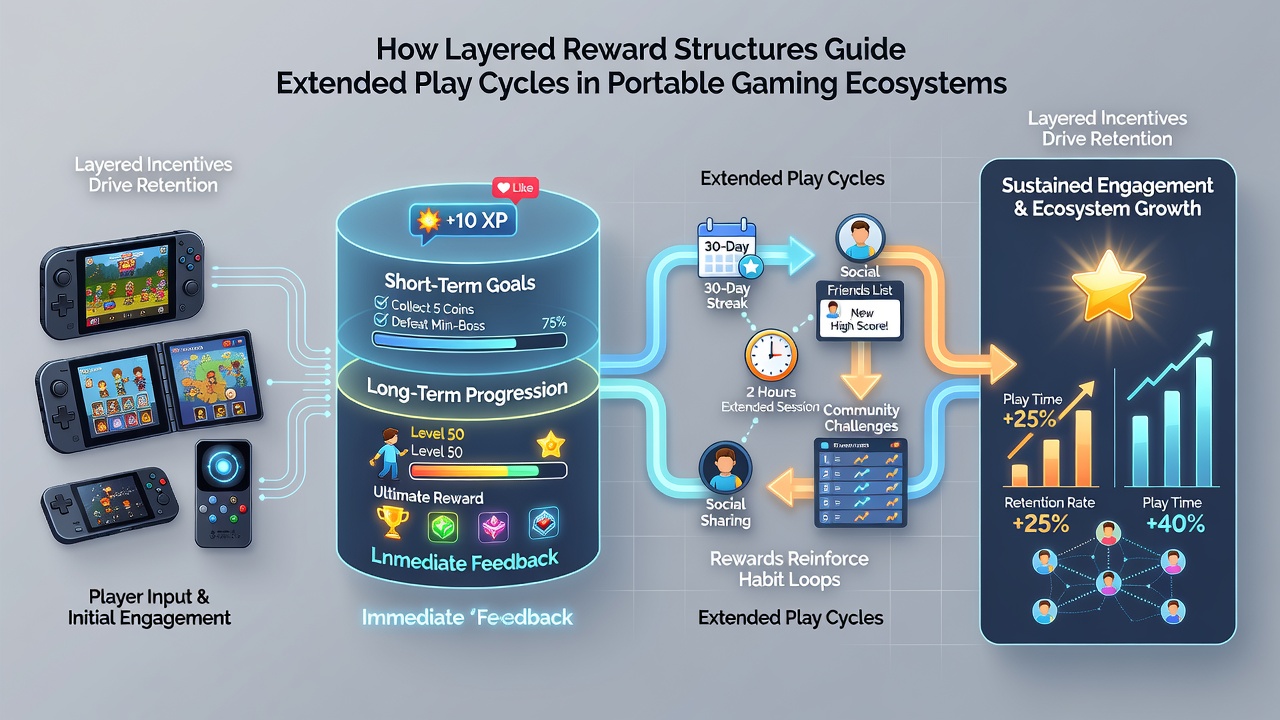
Regional data collected by European digital entertainment associations reveals that retention after 90 days improves when games introduce mid-cycle resets that convert accumulated progress into new tier access rather than outright loss. Players who reach the third or fourth layer within the first month demonstrate continued engagement rates nearly double those who remain at entry-level rewards, and this holds across both free-to-play and premium models released through major app stores.
Role of Timing and Platform Features in August 2026
Updates rolled out in August 2026 introduced refined notification systems that highlight upcoming tier unlocks based on individual play history, and platform analytics from that period show a measurable uptick in cross-session continuity. Handheld hardware improvements allowing background reward processing further supported these changes by permitting users to claim layered bonuses without launching full sessions every time.
Industry groups in Asia-Pacific regions documented similar shifts where cross-platform synchronization between mobile and console versions extended reward eligibility windows, creating unified progression paths that span multiple devices. These adjustments align with broader trends toward seamless ecosystems where progress on one layer carries forward regardless of session length or device used.
Measurement of Engagement Metrics
Quantitative studies track metrics such as daily active users alongside layer-completion velocity to determine how reward depth influences total playtime, and findings indicate that games with visible progress bars across at least three simultaneous tiers maintain higher weekly return rates. Data compiled through university-led surveys in Canada link these structures to reduced churn during the critical 14-to-30-day window after initial download.
Platform operators report that conversion from free to paid reward acceleration items occurs most frequently when users approach the midpoint of a layered progression track, and this pattern appears consistent across genres from puzzle to competitive multiplayer formats. External analyses continue to examine how regulatory environments outside traditional gambling oversight affect disclosure requirements for these systems without altering core design principles.
Conclusion
Layered reward structures in portable gaming continue to evolve through iterative design informed by aggregated user data, and their capacity to guide extended play cycles stems from deliberate interconnection between immediate, periodic, and long-term incentives. As platforms advance in August 2026 and beyond, these frameworks remain central to how developers sustain activity across diverse player segments while adapting to hardware and distribution changes.