Tracing Digital Credits: Reel Rewards Reshaping Stake Behaviors on Portable Hybrid Gambling Platforms
Lars Sullivan · Jun 19, 2026
Tracing Digital Credits: Reel Rewards Reshaping Stake Behaviors on Portable Hybrid Gambling Platforms
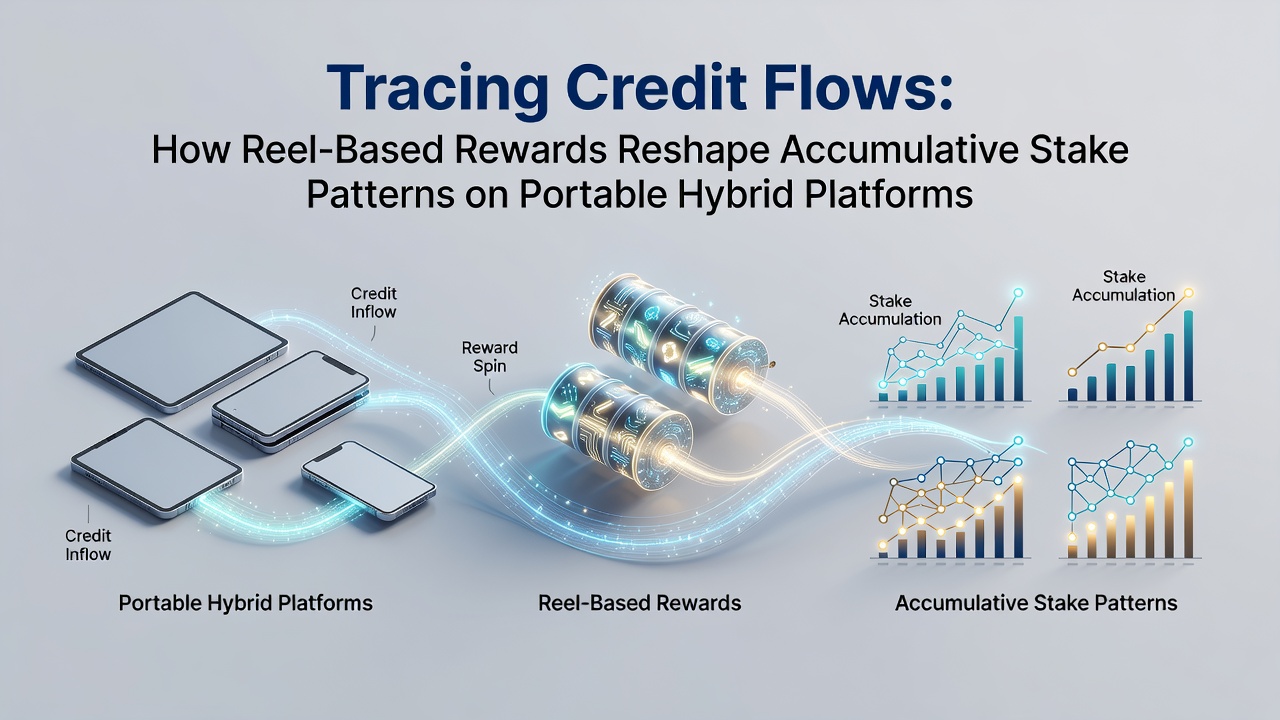
Portable hybrid platforms blend slot mechanics with betting interfaces, allowing players to move credits seamlessly between reel-based activities and stake placements, and researchers have tracked these movements through transaction logs that reveal distinct accumulation patterns emerging since the widespread adoption of cross-category rewards in 2024.
Reel-based rewards such as free spins or bonus credits originate from slot sessions and often convert directly into stake-ready balances, while data from industry reports show conversion rates climbing steadily as operators refine integration protocols that reduce friction between game types.
Mapping Credit Pathways Across Mobile Ecosystems
Observers note that credit flows follow predictable routes when reel rewards feed into accumulative stake pools, yet platform algorithms adjust allocation rules based on user activity metrics collected in real time, which means a player completing a slot session in June 2026 might see immediate stake boosts applied to linked betting markets without manual transfers.
Studies conducted by academic teams at institutions across North America indicate that these automated pathways increase overall stake volumes by channeling small reward increments into larger position sizes, and similar patterns appear in European mobile data sets where hybrid apps record elevated session lengths after reward integration.
One analysis from the American Gaming Association highlights how portable systems log every credit movement, creating detailed trails that operators review to optimize reward sizing and maintain compliance with jurisdictional limits on stake accumulation.
Stake Pattern Shifts Driven by Reward Mechanics
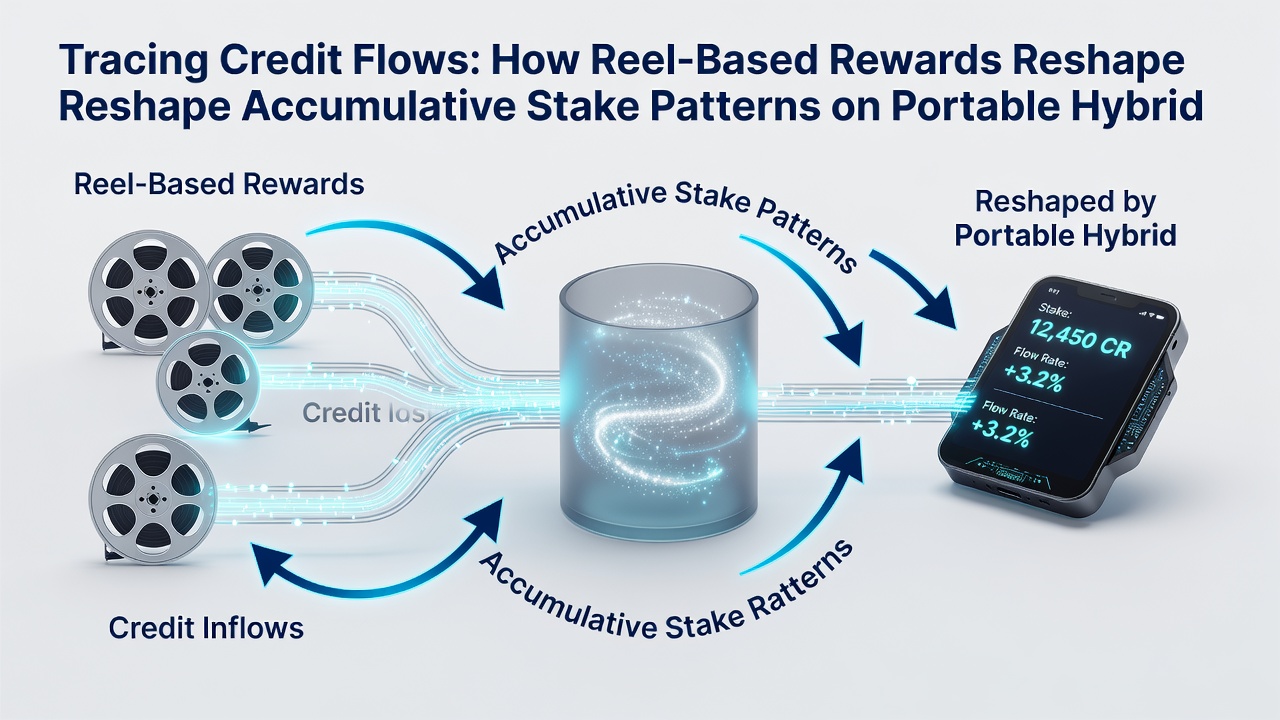
Accumulative stake patterns evolve when reel rewards arrive in variable amounts tied to spin outcomes, because players tend to consolidate multiple small credits into single larger wagers rather than spreading them across separate bets, and transaction records confirm this consolidation occurs more frequently on devices with simplified transfer interfaces.
Figures released by Canadian regulatory bodies demonstrate that hybrid platform users exhibit stake clustering around reward thresholds, with peaks observed during promotional windows that coincide with major sporting events, while Australian research consortia have documented parallel behaviors in markets where mobile penetration exceeds 70 percent of total gambling activity.
Platform developers respond to these patterns by introducing dynamic scaling features that adjust maximum stake multipliers according to accumulated reward history, which in turn influences how credits circulate within individual accounts over extended periods.
Regulatory Contexts and Data Transparency Requirements
Government agencies in multiple regions now mandate detailed reporting on credit flows between game categories, and June 2026 updates from oversight bodies in several jurisdictions emphasize the need for clearer audit trails that distinguish reel-originated stakes from direct deposits, thereby enabling more precise monitoring of accumulation trends.
Industry organizations such as the European Gaming and Betting Association publish aggregated statistics that illustrate how reward conversion affects overall stake distribution, and these reports show modest but consistent rises in average position sizes when mobile users access integrated reward pools.
University-led investigations continue to examine whether these shifts alter risk exposure profiles for different player segments, with preliminary findings suggesting that reward-driven stakes concentrate during shorter, more intense sessions compared with traditional deposit-funded activity.
Technical Infrastructure Supporting Credit Movement
Backend systems on portable hybrid platforms employ real-time ledgers that record every reward issuance and subsequent stake application, allowing operators to trace individual credit units from reel outcomes through to final wager settlements without manual reconciliation steps.
Security protocols encrypt these transaction sequences while preserving metadata that reveals timing patterns, frequency of conversions, and correlations between reward size and stake magnitude, and such infrastructure supports compliance audits required under current international standards.
Developers test new integration modules that further streamline credit transfers, and pilot programs launched earlier in 2026 report reduced processing latency that encourages higher volumes of reward-to-stake movements within single user sessions.
Conclusion
Credit flows originating from reel-based rewards continue to influence stake accumulation patterns on portable hybrid platforms through automated conversion mechanisms, real-time ledger tracking, and algorithm-driven allocation rules, while data collected across multiple regulatory regions provides the foundation for ongoing analysis of these evolving behaviors.